Wednesday, December 10, 2014

IF YOU OWN A CONDO YOU NEED EXTRA INSURANCE COVERAGE

In every condominium and cooperative apartment building, there is what is known as the "master insurance policy". The legal documents governing these association require that a certain level of
insurance coverage be obtained. When you went to buy your unit, your lender insisted on receiving proof that there was a master policy and that the coverage was consistent with the association's legal requirements.

But contrary to what many owners believe, the master policy may not cover you for all of your personal loss. According to the Insurance Information Institute, the master policy "covers the common areas that owners share with others in the building like the roof, basement, elevator, boiler and walkways for both liability and physical damage." If, for example, someone trips on the stairs, the master policy will provide coverage, and should that person file suit, the master will also cover the legal costs incurred by the association.

If a unit is destroyed, the master policy will pay for the restoration of the walls and the ceilings. In some cases (depending on the insurance policy) if your appliances are damaged, the policy will reimburse you for the cost of replacement. Keep in mind that every insurance policy contains a deductible, and you should inquire of your association manager what that number is.

But any improvements which you -- and even previous owners -- made to the unit may not be covered. The insurance term is "betterments"; if you added wallpaper, or remodeled your kitchen or your bathroom, depending on the terms and conditions of your policy, these upgrades may not be covered by the master.

Many owners do not understand this, and only find out when it is too late. An unfortunate -- but typical -- situation is where an owner inadvertently lets his/her bathtub overflow, causing water to cascade down into all of the units below. The master policy will cover the cost to repair the ceilings and the floors, but your valuable Oriental rug and expensive Plasma television set that was damaged will not be covered.

You need to obtain your own individual insurance policy. In the trade, it is referred to as an "HO-6" policy. This will give you coverage -- subject to your own deductible -- for the betterments in your unit, and for your personal furniture and clothing.

Depending on your own financial situation, the HO-6 policy can also include such things as reimbursing you for monthly assessments and alternative lodging while you are unable to reside in your unit, water and sewer back-ups (which are all too common especially in older buildings), and even expensive jewelry, stamp or coin collections, or fur coats.

The legal documents of many condominium associations require that every owner obtain the HO-6 policy, and I have always strongly recommended that every association make this a requirement.

You should be able to obtain this kind of policy through any insurance agent. But in my opinion, the best approach is to obtain that policy from the same carrier that issued the master policy.

Take this very common situation: a common element pipe burst, causing major flooding damage throughout the building, including in your unit. The condominium association files its claim against the master policy, and you file your claim with your insurance company. However, each company points it finger at the other one, stating that it is the obligation of the other carrier to cover the claim. Often, when faced with this situation, I merely tell both agents: "guys, both the master and the HO-6 policy were issued by the same company, so why not just work it out on your own, and make sure that both the association and the owner are properly compensated for their losses."

If you own a condominium unit, you must learn the difference between a unit and the common elements. Your unit consists of the area between the four walls, and from the floor to the ceiling. Common elements include, for example, the elevators (unless they go to specific units in which case they are called limited common elements), the roof and the mechanical equipment that services all of the units in the building.

But its not that simple. Pipes, for example, that serve only your unit will most likely be considered part of your unit -- even though those pipes go down the walls outside of your unit.

It is important that you understand these concepts. Your association declaration will provide you with this information, but if you get confused with the legal (and architectural) terms, consult the association's property manager, its attorney, or even the insurance agent for your building. It is absolutely critical for every owner to carefully read -- and reread periodically -- these legal documents.

If you are renting your unit, you probably will not need protection for your tenant's personal property. However, you still need coverage in case someone gets hurt in your unit, and accordingly should still obtain the HO-6 policy. And you should make it a requirement in your lease that your tenants purchase "renters insurance" -- called an HO-4 policy -- so that they too will have protection in case problems arise.

Damage to condominium units can come from many sources. The hot water hoses in your washer can burn out. Your fireplace chimney is stuffed up, and does not provide the necessary updraft. Or the rubber seal under your toilet gets worn down.

One never knows when these problems occur. More importantly, often disasters are out of your control; they are caused by your upstairs neighbor. I am currently involved in a situation where the upstairs owner accidentally drilled a hole in a sewer-line pipe, causing extensive damage to the unit below.


The cost of this insurance is nominal, considering the risk and the exposure involved. Don't wait til the fire breaks out before getting adequate insurance coverage.

Thursday, November 6, 2014

Home Winterization: Five Ways to Keep Out the Cold

April may bring showers, but winter weather can bring all sorts of other unexpected and expensive damages to your home. Fall's cool temperatures are a reminder that winter days are on their way - take stock of what you may need to do to prepare your home beforehand, and you'll be ready for the onslaught of ice and snow. Here are several simple, cost-effective tasks you can do now to make the transition into the colder months easier.


1. Clean Out Your Gutters


Once the leaves are off the trees it's time to clean out your gutters. Poorly maintained gutters can damage the roof of your home as well the exterior. When snow and ice mix with clogged gutters, it's a recipe for disaster, inside and out. Leaves and debris will prevent moisture from running off the roof, resulting in ice dams and water leaks. Before flurries form make sure to clear out any waste that's accumulated, and also be sure to note any missing or broken pieces and have them repaired. Remove potentially hazardous branches, or structurally unsound trees that could pose problems under the weight of snow or in the midst of a dangerous windstorm.


2. Have Your Heating System Checked


You don't want to be the person waiting in the frigid cold for a repairman to come when your heater stops in the dead of winter. Instead, have an inspector come in and make sure that the system is well ventilated and running smoothly before the first cold snap hits. Inspections generally run between $70-$100. If you live in an area where winter storms consistently knock out both electricity and heat, consider investing in a small generator.


3. Have a Snow Preparedness Kit


It's happened to all of us. Waking up to discover a solid two feet of fluffy white snow layering the ground, only to realize that we've just got one old, dull shovel to dig ourselves free. Before stores are bought out of the necessities, make sure you have everything you need in case of a blizzard: a shovel, flashlights with extra batteries, one or two bags of road salt to coat the driveway, sidewalk, and walkways, and an ice scraper or two. Keep an emergency kit in a designated spot, and when you awake and find yourself trapped in a winter wonderland, you won't be stuck trying to come up with new and inventive ways of unearthing your car tires.


4. Reverse Your Ceiling Fans


Ceiling fans aren't only useful in the summer months. If your fan has a reverse switch, you can keep your home extra warm in the winter by reversing the cycle of the blades. Having the blades rotate in the opposite direction will create an updraft. Since heat rises, this pushes the hot air down and re-distributes it throughout your house. It's especially useful for homes that have high ceilings.


5. Caulk Doors and Windows


In the depths of winter the average home can lose nearly one third of its heat through drafty windows and doors. If the gap between your windows and doors is greater than the width of a nickel, it's time to reapply some exterior caulk to prevent this heat from escaping. Silicone caulk is highly recommended due to its non-shrinking quality and impermeability to the harsh elements. Block drafts from coming under doors with "draft dodger" door stoppers. You can easily make your own at home. Taking these extra steps will ensure that when the temperature drops, the cold and unforgiving air will stay outside where it belongs, and save you any money you'd be spending on additional heating.


Waterford , Novi, Troy, Birmingham, Home, Auto, Business, Insurance , Ron Dwyer


Monday, November 3, 2014

AIG Lead Insurer On Failed Virgin Galactic Spaceship That Crashed

The Virgin Galactic spaceship which crashed on Friday was
insured against losses totaling around $40-50 million and the lead underwriter was AIG , insurance sources said on Monday.
AIG declined to comment.

British insurance and brokerage services provider Jardine Lloyd Thompson confirmed that it was the broker on the deal.

"We act on behalf of Virgin Galactic and are providing every assistance, as is appropriate in these tragic circumstances," JLT said in a statement.

Virgin Galactic is the fledgling space tourism company of billionaire British entrepreneur Richard Branson.

The spacecraft crashed in California's Mojave Desert during a test flight, killing one pilot and injuring the other.

The estimated insured losses are similar to those for the unmanned U.S. supply rocket which exploded last week.

But the Virgin Galactic spaceship was insured under an aviation "hull and liability" policy, in contrast to the supply rocket which was insured in the space market, insurance specialists said.

The Lloyd's of London [LOL.UL] insurance market plays a key role in aviation insurance, with gross written premium at Lloyd's totaling more than $1 billion in 2013, according to the International Underwriting Association

Tuesday, October 28, 2014

Swimming Pool Increases Landlord's Duties of Care


Might a landlord have extra liability if he rents out a property that includes a swimming pool? Most of us would probably answer yes, and we would be right. But just how far do the landlord's duties extend? Well, how about a duty of care to protect the minor children of the tenant's guests? The point is clearly made in a California case filed earlier this year. (Johnson v. Prasad, Third Appellate District, Feb. 25, 2014)
The Prasads purchased a home with a backyard swimming pool in 2000. The pool was built in 1976 or 1977. It complied with state and local ordinances at the time. (Subsequently, California adopted the Swimming Pool Safety Act which requires a variety of pool safety measures; but it only applies to pools built or remodeled after January 1, 2007) The Prasads did nothing to change the pool. A six-foot fence prevented entry into the backyard. The only access from the house to the pool was through the kitchen. There was a sliding glass door with a security gate over it. The gate did not have a self-closing mechanism.
The property was managed by a Century 21 firm since 2009. In June of 2009 the property was rented. The lease called for the landlords to maintain the pool. The lease provided that the landlords or their service provider would have access for such maintenance purposes.
The tenants had a party on June 28, 2009. Among the guests were Andre Soucy, his four-year old son, Allen, and Allen's grandmother and grandfather. There were a number of other people, including children.
According to the court record, "They all went in the pool. Eventually, everyone got out. The grandmother went inside the house and did not close the security gate or the sliding glass door behind her because others were still coming in. At some point, the grandmother lost track of Allen. As it turns out, Allen had gone outside the house to the backyard. When he was discovered, he was at the bottom of the pool."
Allen died. It was a tragic situation, indeed, and one that ultimately turned into a lawsuit. Allen's mother filed a wrongful death suit alleging the grandmother and father were negligent in supervising Allen, the homeowners (the Prasads) were negligent in failing to properly fence the pool or otherwise protect a child from accidentally falling into the pool, and Century 21 was negligent in failing to ensure that the property met safety code. She did not sue the tenants.
The Prasads and Century 21 moved for summary judgment -- essentially, dismissal -- which the trial court granted. Among the things the court said, "the pool was not a ‘nuisance' or an unreasonably dangerous condition of the property"; "nothing these defendants did or failed to do created any type of dangerous condition or in any way contributed to this accident"; there was no evidence that it was more likely than not that the conduct of the [Prasads] and Century 21 was a cause in fact of the drowning; and "even the security gate and sliding door could not have been involved in this action since they were left open on purpose."
Case decided? No, the plaintiff appealed. And the Appellate Court disagreed with the trial court as to whether or not the landlords owed a duty of care to the child. The court noted that "In determining a duty's existence and scope" consideration of several factors is called for. The foreseeability of harm and the extent of the burden [to prevent it] "are ordinarily the crucial considerations.
The court reasoned that it was foreseeable to the landlords that children would be on the property and that "children would approach the pool, regardless of their capacity to swim, thus exposing themselves to the danger of drowning." The foreseeability of harm factor was there.
The Appellate Court also noted that the defendants did not violate the Swimming Pool Safety Act. Nonetheless, the Court also said, "the existence of this statute informs the extent of burden to the homeowners [Prasads] and consequences to the community of imposing a duty to exercise care with resulting liability for breach." Hence, the court seemed to reason, even though the law did not require that the landlords comply with the act (i.e. adding safety features), its very existence suggests that they might have a duty to do so.
Having established in its own mind that the landlord's did have a duty of care to the child, the court then turned to the question of whether that duty was breached. That, the Appellate Court said, was a matter for a jury to decide. "A jury could conclude a reasonably prudent homeowner should have taken further precautions because it was foreseeable that a child could still access the pool and could drown or be injured. Or it could decide the opposite. Where reasonable minds could differ, it was error for the trial court to decide that question as a matter of law."
So, the case against the landlords has been sent back to trial.
As to Century 21, the Appellate Court upheld the trial court's ruling. Century 21 could not have been negligent in failing to determine that the premises met safety code, because the only safety code at issue exempted those premises. At least that part of the Appellate ruling made sense.

Saturday, October 11, 2014

FEMA Providing Lifeline To Those Suffering From August Flooding


Depending on the type of damage, homeowners could receive up to $32,000 in grant money -- money that goes towards fixing your home and doesn’t have to be paid back, even if your home is already repaired.
 
If more money is needed, that’s where small Business Assistance Loans come in. All centers will be open from 8 a.m. to 6 p.m. Monday through Saturday, but closed on Sunday.

Residents with losses from the storms and flooding will save time by registering for help from FEMA before going to the disaster recovery centers.

Four disaster recovery centers opened to assist residents of Macomb, Oakland and Wayne counties. The four centers are one-stop shops where disaster survivors can register for assistance, discuss types of disaster assistance programs with specialists, receive the status of their existing application and obtain other information.

Register at www.disasterassistance.gov or via a web-enabled phone at m.fema.gov. Applicants may also call 800-621-FEMA (3362). TTY users may call 800-462-7585. The toll-free telephone numbers will operate from 7 a.m. to 11 p.m. EDT seven days a week until further notice.

The application deadline is Nov. 24, 2014.

 
Disaster recovery center locations:

Macomb County
Renaissance Unity Church
11200 E. 11 Mile Road
Warren, MI 48089

Oakland County
Gerry Kulick Community Center
1201 Livernois Ave.
Ferndale, MI 48220

Wayne County
Wayne County Community College Welcome Center
8200 West Outer Drive
Detroit, MI 48219

Wayne County Community College Education and Performing Arts Center
21000 Northline Road
Taylor, MI 48180


Wednesday, October 1, 2014

LANDLORDS NEED TO TAKE MEASURES AGAINST FORESEEABLE HARM


Landlords have duties to tenants beyond that of providing habitable premises with working heating and plumbing systems, roofs that don't leak, etc. They also must take
reasonable measures to protect tenants from foreseeable harm that might result from conditions on the premises. Such harm includes possible criminal acts.

A decision by California's Fourth Appellate District Court of Appeal includes an instructive discussion of these matters. The case (Vasquez v. Residential Investments) from which the discussion arises has facts that range from mundane to tragic.

Abigail Ramirez and her infant daughter lived with Abigail's parents in an apartment building owned by Residential Investments, Inc. When the family moved in, a glass pane was missing from an arrangement of glass panes on the top half of the door. A piece of cardboard covered the opening. The tenants made a number of requests that the pane be replaced. They felt that its absence created a security risk. After some length of time, Abigail's brother replaced the cardboard with a piece of plywood that he affixed using finishing nails.

Some time later, Abigail, who had recently been living with her boyfriend (the father of her daughter) moved back into the apartment of her parents. Her boyfriend, Jesus Vasquez, who had heard that Abigail had been seeing someone else, came to the apartment armed with a knife. When he was refused entry, he pushed out the plywood piece, reached through the opening and opened the door from the inside. He then killed Abigail.

The lawsuit against Residential Investments was brought on behalf of the infant daughter. It alleged that the owners were negligent by not replacing the missing pane, and that the negligence was a direct and proximate cause of Abigail's death. In defense, the apartment owners argued that property owners have no duty to take precautions against criminal activity that they had no reason to anticipate. The trial court ruled in favor of the defense and granted summary judgment, holding that the incident was not sufficiently foreseeable so as to give the owner's a duty to prevent Vasquez from gaining entry to the apartment.

The appellate court reversed the trial court's decision, and sent the case back for trial. The appellate court did not say that the owner's were, in fact, negligent; but it did say that it was a triable issue, one that a jury should decide on the basis of the facts of the case.

In its discussion the court noted that the law is clear on the point that there is "…a duty by landowners to maintain property in their possession and control in a reasonably safe condition." But then the court went on to acknowledge that this is, at best, a general principle that gives no specific direction. The discussion points out that the determination of duty requires a balancing act in each particular case. A landlord has a duty to exercise reasonable care, but what is reasonable depends on the circumstances, "…considering the foreseeability of the risk of harm balanced against the extent of the burden of eliminating or mitigating that risk."

The court's discussion reviewed a long list of landlord liability cases (the legal landscape is, of course, littered with them). Of particular note was one in which a landlord had failed to fix a lock to a common hallway, thus making it possible for an intruder to enter and rape one of the tenants. 

Although rape had never before occurred on those premises, robbery had. The court held that, even though the foreseeability of a rape occurring might have been slight, the foreseeability of criminal activity was stronger. Moreover, the burden of repairing the lock was minimal. Hence, the landlord had a duty to do so; and the failure to do so constituted negligence. He did not have a duty to guarantee the safety of his tenants, but he certainly had a duty to maintain a "first line of defense."

In this decision a ruling from a Georgia court was approvingly quoted: "The landlord is no insurer of his (or her) tenant's safety, but … is certainly no bystander." 

The moral here for landlords -- fix the locks. And take care of other matters that constitute risks of foreseeable harm.

Thursday, August 7, 2014

Homeowner Claim Who Gets The Claim Check Homeowner Or Mortgage Company?


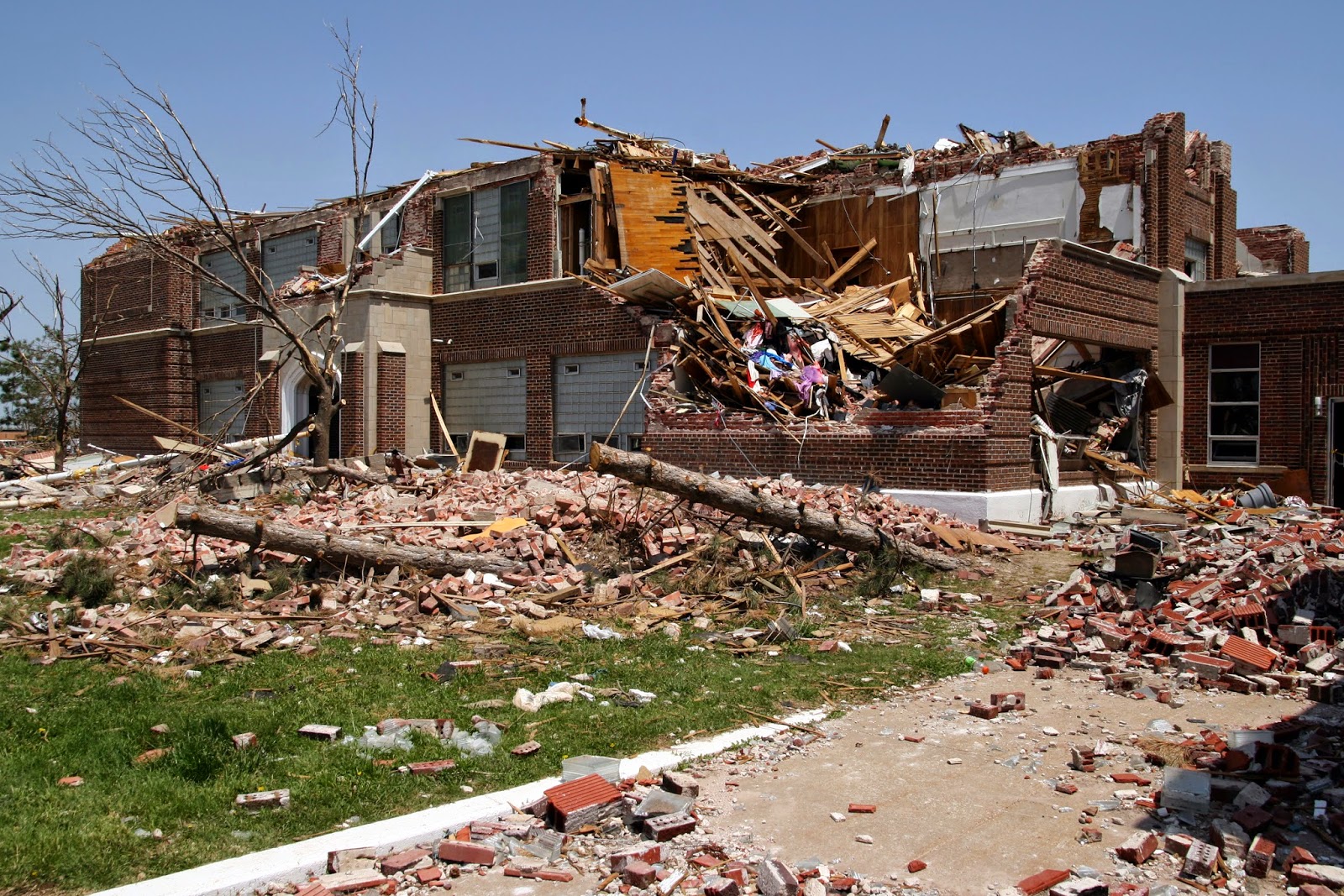
Question: Last year my wife and I purchased a new home. A couple of weeks later, the town where we live was heavily damaged by a tornado, along with strong straight-line winds. Our neighborhood was particularly hard hit with at least two homes totally destroyed. Our house sustained damage as well and we received a fair insurance settlement to make necessary repairs.

We have a mortgage, and the insurance check was made out to us and to the mortgage company. We were informed that the lender would only distribute the insurance proceeds after they receive estimates from contractors and itemized lists of the cost of materials and labor.

Do I have any rights in this matter or does the mortgage company have the legal right to hold the check and only distribute it as it deems necessary? It's a little difficult to get contractors to do repairs when they know they will have to wait on an inspector and then also wait till the lender agrees to send money.

Answer: You have to read your mortgage document carefully. When you went to settlement, you signed two important legal documents: a promissory note and a deed of trust (also called a mortgage). The latter document contains all of the rights and obligations that you, the borrower have to follow.

For example, if you are late with your monthly payments, you are in default. There are sections in the deed of trust spelling out what your lender can do to you, including calling the entire loan due after proper notice to you or ultimately starting the foreclosure process.

Most consumers when they go to the settlement table do not bother to read the deed of trust. It is lengthy (usually 14 or 15 pages), and legalistic. More importantly, since it is a standard form used by the lender, it is almost impossible to change any of the terms. The lender's position is usually: "you want my loan, then sign my legal documents".

One section of the deed of trust is entitled "Property Insurance". Here is a portion of that long section:


Borrower shall keep the improvements now existing or hereafter erected on the Property insured against loss by fire, hazards...not limited to earthquakes and floods... What Lender requires... can change during the term of the Loan...

In the event of loss, Borrower shall give prompt notice to the insurance carrier and Lender... Unless Lender and Borrower otherwise agree in writing, any insurance proceeds ... shall be applied to restoration or repair of the Property, if the restoration or repair is economically feasible and Lender's security is not lessened. During such repair and restoration period, Lender shall have the right to hold such insurance proceeds until Lender has had an opportunity to inspect such Property... Lender may disburse proceeds for the repairs and restoration in a single payment or in a series of progress payments as the work is completed.


Assuming that your deed of trust contains similar language, there is nothing you can do at this point in time. In fact, I have been involved in situations where the lender flatly refused to pay any contractor, and instead credited the entire insurance check against the outstanding balance of the loan.

I am surprised, however, that contractors are reluctant to go forward with your job. There are a lot of good, licensed contractors who are looking for work, and in your case, the money is literally "in the bank".

Your contractor should talk with the lender, so as to be satisfied that payment will be made. While it is true that the payments may be disbursed pursuant to a draw schedule (i.e. when the dry wall is done, you will get XX dollars, and another XX dollars when you complete the electrical work), this is not unusual in home improvement contracts. Indeed, I always recommend that homeowners work out a draw schedule, so that the contractor will only get paid as the work outlined in the schedule is completed.

You were fortunate that you had adequate insurance coverage. Unfortunately, not everyone does. And even if you have coverage (which is required by your lender), have you properly prepared for the next disaster.

There are several steps you should take immediately:

  •  inventory everything in your house; with video or digital cameras, this is quite easy to do;

  •   store copies of your insurance policy with your inventory, but remember to keep them in a safe place, preferably outside of your house.

  •  does your policy include replacement cost or actual cash value for losses?
 
  •   are you in a flood hazard area? Do you have coverage for floods?

  •    have you discussed your coverage with your insurance agent to make sure that you are not over or under-insured?

You must make sure that you are adequate covered -- and prepared.